Posted in Daily activity | Tagged կայք | Leave a Comment »

ԵԱԴ Մարտական պատրաստության ակումբն ուրախությամբ ազդարարում է իր գործունեության սկիզբը։ Ակումբի առաջին խումբը նախատեսված է ԵԱԴ բոլոր ժամանակների անդամների համար, ովքեր հնարավորություն կունենան ընդհանուր տեղեկություն ստանալ ՀՀ ԶՈՒ գործունեության, ընդհանուր մարտական պատրաստության, մարտական պայմաններում առաջին բուժ. օգնության և կրակային պատրաստության հիմունքներին: Նախատեսվում է նաև այցելություններ ՀՀ ԶՈՒ զորամասեր, ինչպես նաև կկազմակերպվեն ուսումնական բանակումներ: Ակումբի մասնակիցներն ընտրվում են ընդունելության համապատասխան փուլերի արդյունքում։ Continue Reading »
Posted in Daily activity, Projects, Various advertisements, Young leaders | Tagged club, Young leaders | Leave a Comment »
Հայաստանի Հանրապետությունը իր եվրոպական ուղին սկսել է ավելի քան երկու տասնամյակ առաջ: Այդուհանդերձ, հասարակությունը դեռ շփոթում է Եվրամիություն, Եվրոպական Խորհուրդ, Եվրոպական խորհրդարան, Արևելյան Գործընկերություն, Եվրոպական հարևաններ եզրերը: Հայաստանում շատ են խոսում եվրոպական ապագայի, ԵՄ-ից օրինակներ վերցնելու մասին, սակայն չկան հստակ քայլեր, վերլուծություններ, հանրային քննարկումներ:
Երիտասարդ առաջնորդների դպրոցը Կոնրադ Ադենաուեր հիմնադրամի հայաստանյան գրասենյակի աջակցությամբ կազմակերպում է դասընթաց, որի ընթացքում կուսումնասիրվեն ՀՀ եվրոպական ապագային վերաբերյալ մի շարք ասպեկտներ. իրավական, տնտեսական, սոցիալական, քաղաքական ու կրթական:
Դասընթացի առաջին փուլը տեղի կունենա մայիսի 8, 10, 15, 17 և 22-ին (չորեքշաբթի և ուրբաթ օրեր՝ երեկոյան ժամերին): Հունիս-հուլիս ամիսներին լինելու են թիմային աշխատանքներ, քննարկումներ, բանավեճեր, բաց դասախոսություններ: Դասընթացի ավարտական փուլը տեղի կունենա օգոստոսի վերջին կամ սեպտեմբերի սկզբին՝ արտագնա եռօրյա սեմինարի տեսքով:
Դասընթացն ԱՆՎՃԱՐ է: Դիմորդների տարիքը՝ 21-30 տարեկան: Անգլերենի իմացությունը պարտադիր է:
Դիմելու վերջնաժամկետը՝ առաջին 100 դիմումից հետո, դիմումների ընդունելությունը ժամանակավորապես կդադարեցվի ու կսկսվի ընդունելության առաջին փուլը:
Posted in Various advertisements | Tagged ԵՄ, Եվրոպա | Leave a Comment »
«Այսօրվա Ձեր գործած բարությունը
մարդիկ վաղը կմոռանան,
միևնույնն է՝ բարիք գործեք». Մայր Թերեզա
Ո՞վ է իրական առաջնորդը: Նա, ում ենթարկվո՞ մ են, ով ունի՞ հետևորդներ, հզոր բանակ, կատարել է այնպիսի գործեր, որոնցով անմահացել է պատմության մեջ, ում գաղափարները դառնո՞ւմ են իր անվան այցեքարտը: Հաճախ մեր նմանատիպ պատկերացումներն առաջնորդի կերպարն ասոցացնում են տղամարդկային, խիստ, հաճախ նաև բռանակալ էության հետ: Մայր Թերեզան կարողացավ ապացուցել հակառակը: Նա իր գթասրտությամբ, մարդկանց հանդեպ նվիրվածությամբ և հավատով նվաճեց ամբողջ աշխարհի սերը: Այդ սերը նրան մեծ ուժ տվեց` դարձնելով պատմության հզորագույն առաջնորդներից մեկը: Նա հավատում էր մարդկանց: Նա հավատում էր, որ մարդը ստեղծված է սիրո և բարության համար, ստեղծված է երջանկացնելու և երջանիկ լինելու համար:
 Մայր Թերեզան (Ագնեսա Գոնջա Բոյաջիու) ծնվել է 1910 թվականին Մակեդոնիայում։ Մանկուց առանձնանում էր ռոմանտիկությամբ ու բարեպաշտությամբ, երգում էր եկեղեցական երգչախմբում, օգնում էր մայրիկին տան գործերում: Շատ երազանքներ ուներ. ցանկանում էր դառնալ գրող, հետո երաժիշտ, իսկ հետո` միսիոներ Աֆրիկայում: Վերջին երազանքն իրականացավ, միայն թե «սև» մայրցամաքի փոխարեն Ագնեսը հայտնվեց Հնդկաստանում: Ագնեսը 14 տարեկան էր, երբ հայրը մահացավ: Այս դեպքը ցնցեց ընտանիքը, սակայն նրա մայրը հավաքեց ուժերն ու սկսեց աշխատել: Կրտսեր դուստրը խնդրեց մոր օրհնությունը միանձնուհի դառնալու համար: Մայրը ցնցվել էր աղջկա ծրագրերից, սակայն, մի քանի օր մտորելուց հետո, ամեն դեպքում, տվեց իր օրհնությունը: Ավագ եղբայրը, ով սովորում էր Ավստրիայի ռազմական ակադեմիայում, իմանալով քրոջ որոշման մասին, նրան նամակ գրեց, որտեղ այդ որոշումը քմահաճույք կոչեց: Ագնեսը վրդովվեց. «Դու քեզ կարևոր ես զգում, որովհետև ծառայելու ես երկու միլիոն հպատակ ունեցող թագավորի՞: Ես ծառայելու եմ ողջ աշխարհի թագավորին»: Continue Reading »
Posted in Leadership | Tagged 10 պատվիրաններ, Մայր Թերեզա, Նոբելյան մրցանակ | Leave a Comment »

ԵԱՀԿ երևանյան գրասենյակը Երիտասարդ առաջնորդների դպրոցի հետ համատեղ հայտարարում են դիմումների ընդունում մայիսի 2-3 Երևանում կայանալիք ԵԱՀԿ մոդել համաժողովին մասնակցելու համար:
Հայտերի ընդունման վերջնաժամկետն է մարտի 24, ժամը` 23:59: Վաղ դիմումները ողջունվում են:
Ընտրված դիմորդները կստանան համաժողովին մասնակցելու համար անհրաժեշտ բոլոր նյութերը, ինչպես նաև կմասնակցեն մի շարք դասախոսությունների և նախապատրաստական գործնական դասընթացների` ԵԱՀԿ-ի գործունեության, բանակցություններ վարելու և հրապարակային խոսքի թեմաներով:
Խնդրում ենք տարածել կցված տեղեկատվությունը Ձեր գործընկերներին և այն մարդկանց, ովքեր հետաքրքրված կլինեն մասնակցելու ԵԱՀԿ մոդել համաժողովին:
ԱՇԽԱՏԱՆՔԱՅԻՆ ԼԵԶՈՒՆ՝ ՀԱՅԵՐԵՆ
for English read more
Posted in Daily activity, Various advertisements | Tagged model, OSCE | 6 Comments »
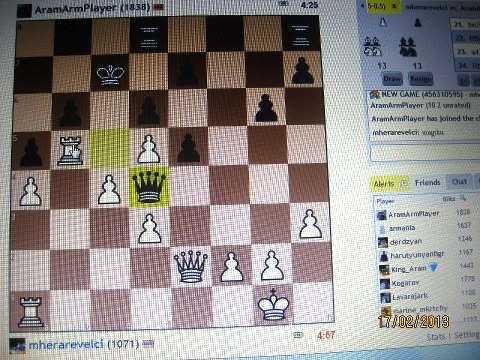 2013թ. փետրվարի 17-ին տեղի ունեցավ Երիտասարդ առաջնորդների դպրոցի չորրորդ ավանդական դարձած շախմատային առաջնությունը: Առաջին անգամ այն անց կացվեց օնլայն ձևաչափով: ԵԱԴ շախմատային առաջնությունը մասնակիցների աշխարհագրական առումով տարածում գտավ Հայաստանից ու Վրաստանից մինչև Չինաստան ու ԱՄՆ՝ սփռվելով Սև ծովից մինչև Ատլանտյան ու Խաղաղ օվկիանոսներ: Գերլարված ու, ինչպես մասնակիցներից Տաթևիկ Դերձյանը նշեց, ադրենալինաշատ մրցաշարում հաղթող ճանաչվեց Տիգրան Վարդապետյանը, երկրորդ տեղը զբաղեցրեց Կարապետ Կոգարովը, երրորդը՝ Արամ Դերձյանն էր: Գեղեցիկ սեռի լավագույն շախմատիստ ճանաչվեց Տաթևիկ Դերձյանը: Դիտարժան խաղ ցուցադրեցին Մարինե Մկրտչյանն ու Արման Հովհաննիսյանը: Բոլոր մասնակիցների անունից ցանկանում ենք շնորհակալություն հայտնել ՀՀ շախմատի ֆեդերացիայի փոխնախագահ, միջազգային մրցավար Աշոտ Վարդապետյանին՝ խորհուրդներով ու մրցավարությանբ օժանդակլու համար:
Եվս մեկ անգամ համոզվեցինք, որ ԵԱԴ գաղափարներն ու միջոցառումները սահմաններ չեն ճանաչում ու կարող են համախմբել բոլորին անկախ գտնվելու վայրից ու ժամային գոտիների տարբերությունից:
Posted in Daily activity, Young leaders | Tagged առաջնություն, շախմատ, շախմատի ֆեդերացիա, փոխնախագահ, օվկիանոս | Leave a Comment »
Հարգելի երիտասարդներ, 
Երիտասարդ առաջնորդների դպրոցի հիմնարար մեկամյա դասընացին դիմելու համար վերջնաժամկետ չկա։ Պարզապես այցելեք այս էջը (http://bit.ly/Ri5iV3), լրացրեք դիմումը, ուղարկեք կենսագրությունն ու միջնորդագրերը ու սպասեք մեր նամակին։ Ձեր տարիքային խմբում 300 դիմում լրանալուն պես մենք կսկսենք նոր խմբի ընդունելության գործընթացը։ Այնպես որ` կարող է սպասեք մեկ շաբաթ կամ տաս ամիս՝ կապված նրանից, թե երբ է տեղի ունեցել նախորդ ընդունելությունը։
Հարգանքով՝
Երիտասարդ առաջնորդների դպրոցի աշխատակազմ
Հ.Գ. Բազում հարցերին ի պատասխան՝ նշենք, որ ՈՒՍՈՒՄՆ ԱՆՎՃԱՐ է։
Posted in Armenia, Daily activity | Tagged առաջնորդ, առաջնորդություն, դասընթաց, ընդունելություն, ԵԱԴ, Երիտասարդ, Երիտասարդ Առաջնորդների Դպրոց | 8 Comments »
Հաջողության հասած գիտնականների հետ զրուցելիս պարզվում է, որ գիտնականին՝ հաջողության հասնելու համար միայն գիտելիքը դեռ բավարար չէ: Երիտասարդ գիտնականին անհրաժեշտ են օրինակ ճարտասանական հմտություններ՝ գիտաժողովներին պատշաճ կերպով ներկայանալու, ազդեցիկ ու հետաքրքիր խոսելու, ելույթ ունենալու, հարցազրույցներ տալու համար:
 Ինքնաներկայացումից բացի երիտասարդ գիտնականների մեր օրերում անհրաժեշտ են նաև դրամաշնորհային նախագծերի դիմելու հմտություններ, նախագիծը ճիշտ ձևակերպելու, ճիշտ ներկայացնելու համար: Այս ամենին անհրաժեշտ է հավելել նաև հաջողության հասած մարդկանց խորհուրդները երիտասարդ գիտնականի արդյունավետության, բանակցային կարողությունների, կառավարչական հմտությունների վերաբերյալ:
Սույն կարճ դասընթացի շրջանակում կկազմակերպվեն. Continue Reading »
Posted in Daily activity, Lectures, Various advertisements | Tagged գիտելիք, երիտասարդ առաջնորդներ, երիտասարդ գիտնական, ճարտասանություն, ԵԳԱԾ | Leave a Comment »

Posted in Daily activity, Young leaders | Leave a Comment »
Սա ոչ համալսարան է, ոչ էլ դասական իմաստով դպրոց, եւ այստեղ ոչ թե որեւէ մասնագիտություն են ձեռք բերում, այլ սովորում են կոնկրետ ոլորտում ղեկավար, կամ ինչպես ընդունված է ասել` լիդեր դառնալ: Երիտասարդ առաջնորդների դպրոցն ամեն տարի 300 դիմողներից ընդունվում է միայն 30-ը, այն էլ 4 փուլով քննություններ հանձնելուց հետո, բայց այսքանից հետո ավարտելն ավելի դժվար է, քան ընդունվելը:
Երիտասարդներին առաջնորդ են դարձնում մասնագիտական լուրջ փորձ ունեցող դասախոսներ եւ հայտնի քաղաքական ու հասարակական գործիչներ: Ինչպես Պաշտպանության փոխնախարար Դավիթ Տոնոյանը, ով այս անգամ առաջնորդների հարցերին ուզում է պատասխանել օֆ ռեկորդ` առանց լրատվամիջոցների:
Նրանք, ովքեր դպրոցն ավարտել են, պնդում են, որ աշխարհայացքային փոփոխություն չի եղել, բայց այն ինչի մասին նախկինում միայն երազում էին, հիմա սկսել են բացահայտել իրենց մեջ: Մասնագիտությամբ լեզվաբան Լուսինեն, որ Գորիսից է, դպրոցն ընդունվելուց հետո պարզապես ինտեգրվեց երեւանյան հասարակությանը, առանց դպրոցի ամեն ինչ ավելի բարդ կլիներ:
Չնայած դպրոցը հիմնադրվել է 2006-ին, բայց արդեն 19-րդ սերունդն է ավարտում այն: Նրանցից շատերն այս ընթացքում վերադառնում են ցանկացած առիթով: Դպրոցն արդեն 204 մարդ է ավարտել: Այս անգամ նրանց միացավ եւս 38 սան, որոնցին 30-ը ստացան ուղղակի մասնակցային, իսկ 8-ը` ավարտական վկայագրեր: Առաջիկայում դպրոցը կընդունի 20-րդ սերնդին:
Հեղինակ` Զոհրաբ Հարոյան
Աղբյուրը` ԱՐՄՆՅՈՒԶ լրատվական հեռուստաալիք
Posted in Daily activity | Tagged ՀՀ Պաշտպանության նախարարություն, ավարտական հանդիպում, դպրոց, Գորիս, Դավիթ Տոնոյան | Leave a Comment »
- Abraham Lincoln Armenia Bill Gates Fletcher Gandhi how to leader Leadership Martin Luther King negotiation new blog president prime-minister princess Diana school skills Thomas Jefferson training USA young Young leaders Young leaders School Конфуций Развитие лидерства Школа молодых лидеров доверие лидер лидерство организатор справедливость ученик Արտակ Բեգլարյան Արտակ Շաքարյան Գերմանիա ԵԱԴ ԵՄ ԵՊՀ Երիտասարդ Երիտասարդ Առաջնորդների Դպրոց Ինեկոբանկ ՀԵՆՔ Հայաստան Ճանաչենք Հայաստանը Մի կին – Մի աշխարհ Ռոմա Սպորտային ակումբ առաջնորդ առաջնորդներ առաջնորդություն առողջ ապրելակերպ ավարտական հանդիպում արշավ բլոգ գիտնական գիրք գոլ դասընթաց դասընթացներ դեսպան դպրոց եկեղեցի ընդունելություն թիմ լրագրող հոգևոր հրեշտակ ճամբար մշակույթ մրցաշար նպատակ շախմատ սանիկ սերունդ ցուցահանդես ֆուտբոլ
Blog Stats
- 167,284 hits
-
Recent Posts
Categories
Pages
May 2024 M T W T F S S 1 2 3 4 5 6 7 8 9 10 11 12 13 14 15 16 17 18 19 20 21 22 23 24 25 26 27 28 29 30 31 Archives
- December 2013
- August 2013
- April 2013
- March 2013
- February 2013
- January 2013
- December 2012
- November 2012
- October 2012
- September 2012
- August 2012
- July 2012
- June 2012
- May 2012
- April 2012
- March 2012
- February 2012
- January 2012
- December 2011
- November 2011
- October 2011
- September 2011
- August 2011
- July 2011
- June 2011
- May 2011
- April 2011
- March 2011
- February 2011
- January 2011
- October 2010
- September 2010
- August 2010
- May 2010
- April 2010
- March 2010
- February 2010
- January 2010
- December 2009
- November 2009
- October 2009
- September 2009
- August 2009
- April 2009
- March 2009
Recent Comments
-
Join 77 other subscribers


 School for Young Leaders